what could have been done to prevent the great depression
COVID-19: Prevention, Symptoms and Treatments
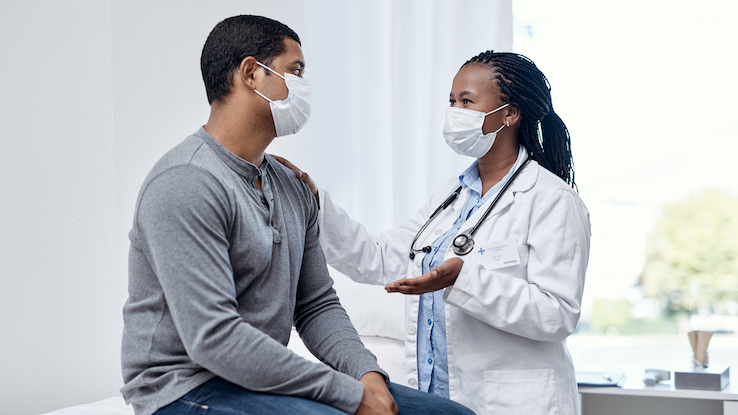
COVID-19 is a disease acquired by a virus called astringent acute respiratory syndrome coronavirus two (SARS-CoV-ii). Experts identified the offset cases in late 2019, and the World Health Organization declared COVID-19 a global pandemic in March 2020.
This novel (new) coronavirus belongs to the same family of viruses as the one that causes the common cold. Coronaviruses get their name from the Latin discussion "corona," which ways "crown." This is because of the crown-shaped spike proteins on the surface of the virus.
The COVID-19 pandemic has had an immense impact on the unabridged world. Millions of people have died, and millions more are living with lingering health effects of the disease. Fortunately, the scientific community was able to mobilize quickly and develop safety, effective vaccines to help terminate the spread of COVID-19. But it's nevertheless important to accept prevention steps and be aware of the symptoms and risk factors for the virus.
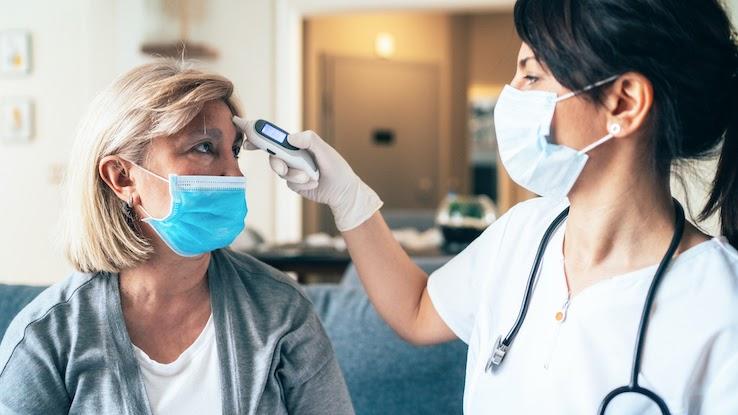
Symptoms of COVID-19 tin can vary from person to person. Some people get very ill, while some have only mild symptoms or no symptoms at all. If you have the virus just you don't have any symptoms, yous're "asymptomatic" — but you can still spread it to other people.
Symptoms may take anywhere from two to 14 days to appear. This ways that yous might non find symptoms for two weeks, but yous may still spread the virus to other people during that time.
Mutual COVID-xix symptoms include:
- Fever or chills
- Coughing
- Shortness of breath or trouble breathing
- Fatigue (feeling very tired)
- Loss of gustation or smell
- Headache or trunk aches
- Nasal congestion or runny nose
- Sore throat
- Nausea, vomiting or diarrhea
Although most people have just balmy to moderate COVID-19 symptoms, it can as well cause severe complications and even death. Astringent complications include:
- Pneumonia and acute respiratory distress syndrome (ARDS)
- Heart and kidney bug
- Blood clots
- Organ failure
I Take Symptoms of COVID-19. What Should I Practice?
Nearly people have mild to moderate symptoms and can recover at home. If you have mild COVID-19 symptoms, similar to a cold or flu, take these steps:
- Stay home and away from other people for at least v days from when your symptoms first started. If you live with other people, try to separate yourself from them as much as possible. Stay in a split room and article of clothing a mask when you're about other people. Only exit your domicile to go medical care or to go tested.
- Get tested. You tin can get at-habitation tests online or over the counter from your local pharmacy. They're easy to use and provide rapid results, and testing at home tin limit the number of people you come up in contact with. If you test positive, go on to isolate at home for at least five days from when your symptoms commencement started.
- Tell your close contacts. If you were effectually other people in the two days before your symptoms started, permit them know that you're sick. That manner, they can become tested and avoid spreading the virus to others.
- Care for yourself past resting, drinking plenty of fluids and using over-the-counter medicines (like Advil or Tylenol) as needed.
- Talk with your physician about any symptoms you're concerned about and keep rail of how you lot're feeling mean solar day to day. Always telephone call ahead before visiting the dr.. You may exist able to do a telehealth visit instead.
If you or someone else has whatever of the following emergency symptoms, get help right away:
- Trouble animate
- Pain or pressure in your breast that doesn't go away
- Confusion (new mental confusion that's not normal for you)
- Inability to wake up or to stay awake
- Stake, greyness or bluish coloring on your peel, lips or smash beds (color volition depend on your peel tone)
These are signs of a medical emergency. Phone call 911 or go to the nearest emergency room correct away.
Am I At Higher Risk for Astringent COVID-19?
Anyone tin can go sick from COVID-19 — even healthy children and young adults. Just information technology's more probable to crusade severe illness in older adults and people with underlying health conditions, including:
- Asthma or other chronic lung conditions
- Cancer
- Dementia or other nervous system conditions
- Diabetes
- Heart, liver or kidney conditions
- HIV or other allowed system problems
- Sickle prison cell disease or thalassemia
- Tuberculosis
Y'all're also at higher chance of getting seriously ill from Covid-19 if you lot:
- Are pregnant
- Are overweight or have obesity
- Smoke or used to smoke
- Accept had an organ transplant
- Have a mental health or substance utilize condition
If you or someone you lot alive with is at higher risk for COVID-19, it's of import to take steps to avoid getting infected — like getting vaccinated and wearing masks when you're out in public.
How Do People Go COVID-19?
COVID-19 is highly contagious — it spreads very hands from person to person. The virus mainly spreads through the air.
When someone with COVID-19 breathes, talks, coughs or sneezes, they release virus into the air on tiny aerosol or even tinier aerosol particles. You tin can get infected if yous exhale in these droplets and particles — or if they state in your eyes, nose or mouth.
Droplets settle out of the air fairly quickly, but aerosol particles tin can stay in the air for hours. That's why COVID-19 spreads very easily in indoor spaces without adept ventilation. Yous can also go COVID-nineteen if you touch a surface with virus droplets on information technology, and then bear upon your optics, nose or mouth.
How Can I Protect Myself and Others from COVID-19?
The best mode to protect yourself and other people is to become vaccinated.
COVID-19 vaccines accept been scientifically proven to be safe and effective and the existent-world results also provide additional testify of their effectiveness. Vaccinated people have a much lower chance of getting COVID-19 — and if you do get sick after getting vaccinated, you're much less likely to get severely ill or to dice. Vaccines also get in less probable that y'all'll spread the virus to other people.
Vaccines are currently available for all adults and for children ages five and older. Vaccines for children younger than five are currently in evolution. The Food and Drug Administration (FDA) has authorized three COVID-19 vaccines for use in the Us: Pfizer, Moderna and Johnson & Johnson. Experts recommend that people get either the Pfizer or Moderna vaccine as a beginning option, if they're available.
Both the Pfizer and Moderna vaccines need two doses, several months apart. You'll also need a booster dose vi months later to proceed your immunity as stiff as possible. Experts may recommend more booster doses as new COVID-nineteen variants spread, only the current vaccines still provide very skillful protection from the worst effects of the affliction.
Yous tin also take these steps to protect yourself and those around you:
- Wear a mask that covers your nose and mouth in indoor public spaces.
- Avoid crowds and public indoor spaces without expert ventilation.
- Become tested or use at-home tests to avoid spreading the virus to others.
- Wash your hands regularly with soap and water.
How Is COVID-19 Diagnosed?
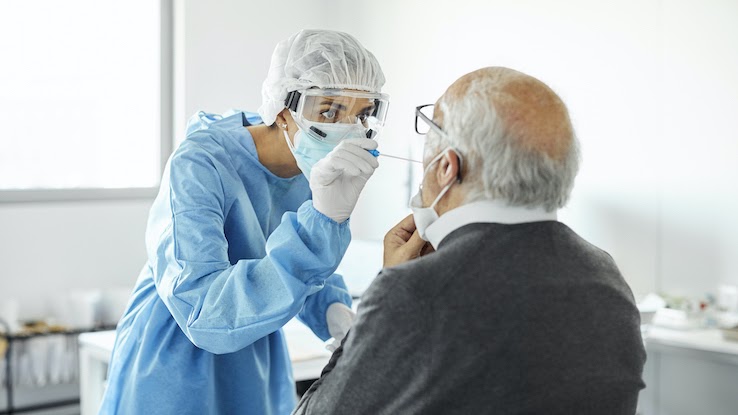
If yous have symptoms of COVID-xix or you've been in close contact with someone who has tested positive, you'll need a test to find out if yous have the virus. There are two main types of tests for COVID-nineteen:
- Molecular tests — these tests expect for the genetic material of the virus. They're very accurate, but they often need to be candy past a lab, and results can take several days. The about common type is a polymerase chain reaction (PCR) examination.
- Rapid antigen tests — these tests look for specific viral proteins. They're not as authentic as PCR tests, but they're quick and easy to do with at-domicile testing kits.
Both types of test apply a nose or pharynx swab or a saliva sample. You tin can get both kinds at many locations, including a doctor's office, chemist's or a community testing site. You can also become at-habitation testing kits online or over the counter at pharmacies.
What Are the Treatments for COVID-19?
Most people take only mild illness and recover from COVID-xix without needing any treatment. If you have balmy symptoms, you can effort over-the-counter medicines similar fever reducers and cough syrups. Even with mild symptoms, it'southward still very important to become plenty of residuum and to stay hydrated — and to stay away from other people so you don't become them sick.
People with astringent COVID-nineteen may need to stay in the hospital and get supplemental oxygen or fifty-fifty a ventilator to help them breathe. Doctors may also use steroids and other medicines to treat severe COVID-nineteen symptoms — but in that location's currently no cure and few constructive treatments for COVID-19.
And so far, the FDA has simply fully approved 1 drug to treat COVID-19: the antiviral drug remdesivir. The FDA has as well allowed doctors to utilize several other treatments under an Emergency Apply Say-so. These include:
- Monoclonal antibiotic therapies that tin can help the immune system respond to COVID-19
- Paxlovid and molnupiravir, two types of antiviral pills
Researchers are working to develop more than effective treatments for COVID-19. In the meantime, the best way to protect yourself and others is to become vaccinated and habiliment masks in indoor public spaces.
Your Adjacent Steps
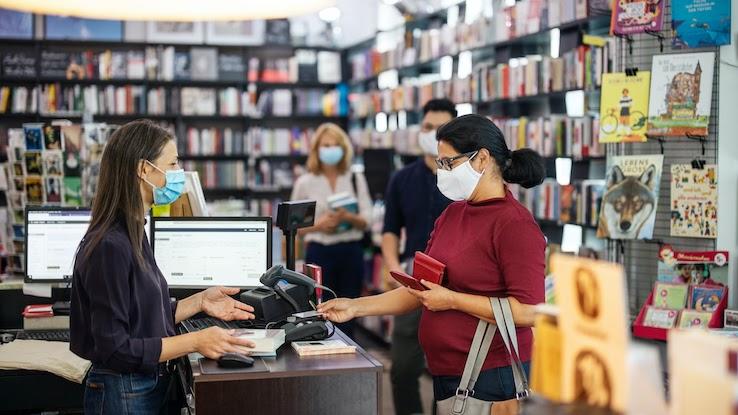
Call back, the first step in protecting yourself and others from COVID-nineteen is to get vaccinated right away. If y'all're not vaccinated yet, use this tool to find a vaccine appointment near you.
Wearing your mask in indoor public spaces is also cardinal to stopping the spread of the virus. Masks aid protect you and make it less likely that you lot'll spread the virus to others. And keep on washing your hands and avoiding crowded spaces.
And if yous think you may have COVID-19, talk with your doc about your symptoms — and stay away from other people to avert spreading the virus.
Resources Links:
- "How to Protect Yourself & Others" via Centers for Disease Control and Prevention (CDC)
- "Symptoms of COVID-19" via CDC
- "What to Practise If Y'all Are Sick" via CDC
- "Quarantine and Isolation" via CDC
- "Coronavirus Disease 2019 Testing Basics" via Food and Drug Administration
- "Coronavirus (COVID-19) Dashboard" via World Health Organization
Source: https://www.symptomfind.com/health-conditions/covid19-condition?utm_content=params%3Ao%3D740013%26ad%3DdirN%26qo%3DserpIndex
0 Response to "what could have been done to prevent the great depression"
Post a Comment